
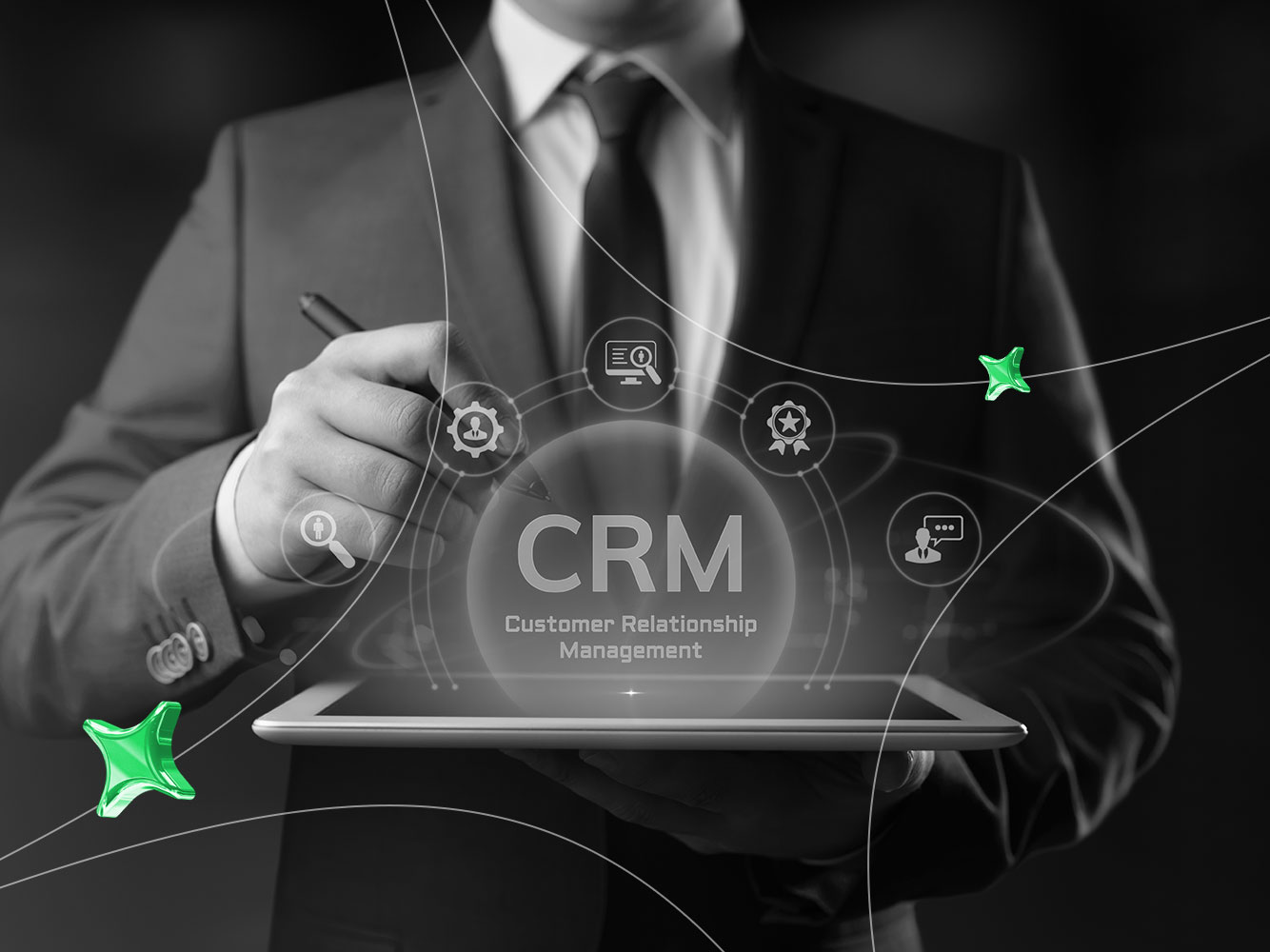
CRM Systems: How to Turn Scattered Data into Organized Sales and Long-Term Customer Relationships
Many businesses interact daily with leads, calls, messages, and meetings — yet without a real system that brings all these touchpoints together into a clear structure.
As a result, opportunities are lost, mistakes are repeated, and sales teams rely heavily on memory or individual effort to follow up. The issue is not a lack of customers — it is the absence of an effective Customer Relationship Management (CRM) system that transforms data into insights and follow-up into a scalable, structured process. Proper CRM setup and integration turn daily operations from reactive actions into a systematic workflow that supports growth and performance tracking.
What Is CRM Systems Setup & Integration?
CRM setup and integration is the process of building a centralized system that connects:
- Leads and existing customers
- Multiple communication channels
- Sales and marketing teams
- Data and performance reports
The main objectives are to:
- Organize the entire customer journey from first contact to deal closure.
- Improve follow-up and increase conversion rates.
- Centralize data in one reliable system.
- Support decision-making with accurate, real-time data.
Simply owning a CRM tool is not enough.
Real value comes from proper configuration and seamless integration with daily business operations.
Why Do Companies Struggle Without a Proper CRM System?
The absence of a well-implemented CRM system often leads to:
- Lost sales opportunities
- Poor follow-up after initial contact
- Lack of visibility into sales team performance
- Difficulty measuring marketing results
- Dependence on individuals rather than systems
Over time, data chaos turns directly into lost revenue and stalled growth.
Core Elements of Effective CRM Setup & Integration
A successful CRM system should simplify daily work — not complicate it.
- Designing a Clear Customer Journey
- Defining customer stages from first interaction to closing
- Creating structured follow-up paths for each stage
- Standardizing how customers are handled
A clear customer journey leads to higher conversion rates and consistent results.
- Configuring the CRM to Fit Your Business
- Selecting the right CRM platform for your business model
- Customizing fields and sales stages
- Simplifying system usage for the team
The CRM should adapt to your team — not the other way around.
- Integrating CRM with Marketing & Sales Channels
- Connecting ads and lead forms
- Integrating email and social media platforms
- Automatically consolidating customer data.
Integration minimizes data loss, improves efficiency, and prevents missed opportunities.
- Managing Sales Teams & Daily Follow-Up
- Automatic lead distribution
- Tracking calls, meetings, and interactions
- Ensuring no opportunity is forgotten
A well-designed CRM makes follow-up a habit — not an extra task.
- Reporting, Analytics & Decision-Making
- Measuring conversion rates
- Analyzing channel performance
- Identifying strengths and weaknesses in the sales process
Clear data leads to smarter decisions and lower risk.
When Does Your Business Need CRM Setup or Rebuilding?
CRM implementation becomes essential when:
- Sales opportunities are lost due to weak follow-up.
- Sales performance varies without clear reasons.
- Marketing data is underutilized.
- Team size grows, and management becomes harder.
- You rely on spreadsheets or basic tools.
At this stage, CRM is no longer optional — it is a core operational requirement.
Common CRM Mistakes Businesses Make
Some of the most common mistakes include:
- Choosing a CRM that does not fit the business
- Overcomplicating the system unnecessarily
- Failing to train the team
- Lack of integration with other systems
- Using CRM as a database instead of a working system
When poorly implemented, CRM consumes time without delivering value.
What Does Proper CRM Setup & Integration Achieve?
When CRM is implemented systematically, businesses gain:
- Higher conversion rates
- Stronger and more consistent customer follow-up
- Full visibility into sales performance
- Reduced dependence on individuals
- Long-term, structured customer relationships
Most importantly, sales shift from individual effort to a scalable, system-driven process. CRM systems are not just technical tools — they are the backbone of any successful sales operation. At Nomahd Business Hub, CRM systems are designed and integrated to match each business’s workflow, turning scattered data into measurable sales growth.